XSS for PDFs
DOM sandbox escapes
JSON hijacking
Unknown browsers
XSS horror show
Non-alpha JS/PHP
Splitting the email atom
Talks
Inspiration

JS
No JavaScript
Pure HTML + CSS

Dial pairs
1
2
3
Balance no. 3 — load pans to 0x







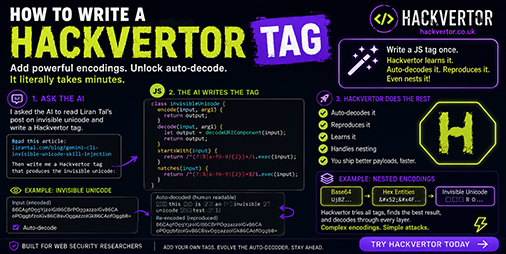





 Shadow Repeater v1.2.3 release2025
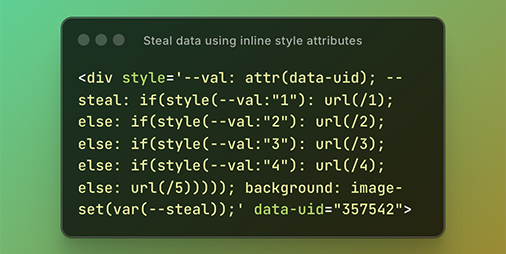 Inline Style Exfiltration: leaking data with chained CSS conditionals2025










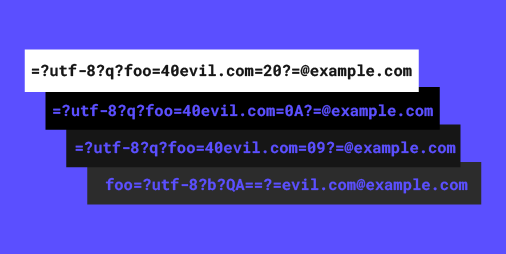
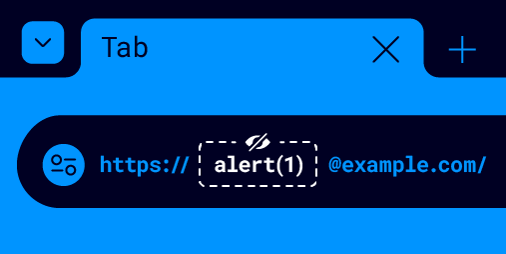
 Splitting the email atom: exploiting parsers to bypass access controls2024
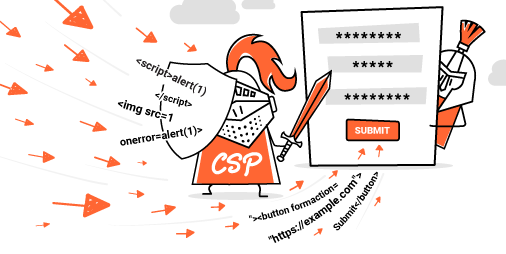 Using form hijacking to bypass CSP2024






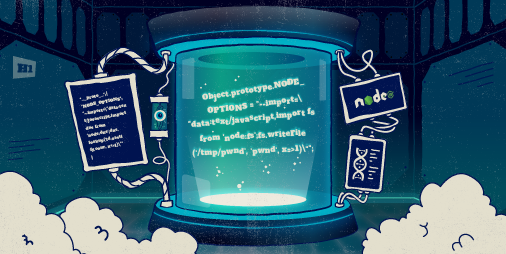 Exploiting prototype pollution in Node without the filesystem2023
 Hijacking service workers via DOM Clobbering2022
 Server-side prototype pollution: Black-box detection without the DoS2023
 Stealing passwords from infosec Mastodon - without bypassing CSP2022
 Detecting web message misconfigurations for cross-domain credential theft2022
 Our favourite community contributions to the XSS cheat sheet2022


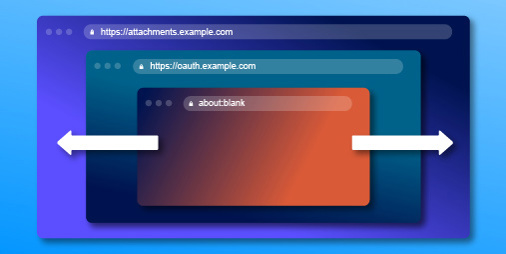
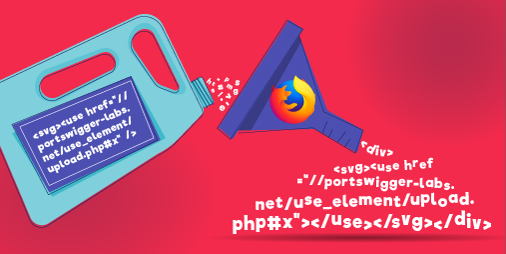
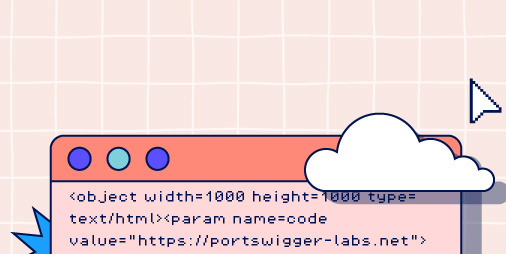


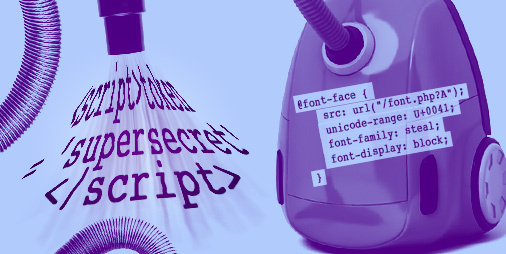


 Hunting nonce-based CSP bypasses with dynamic analysis2021
 Portable Data exFiltration: XSS for PDFs2020


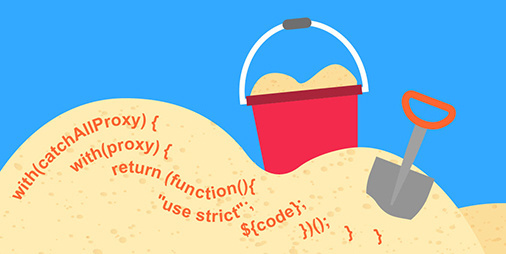








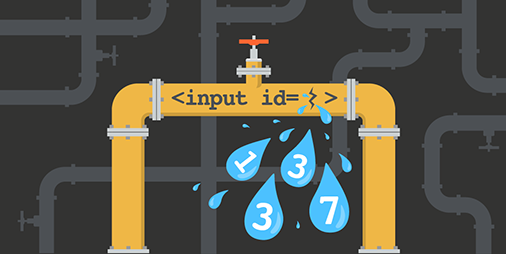






Exposing Intranets with reliable Browser-based Port scanningExposing Intranets with reliable Browser-based Port scanning2018
Rewriting relative urls with the base tag in SafariRewriting relative urls with the base tag in Safari2018
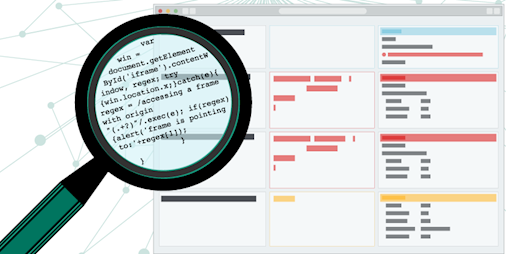
 Evading CSP with DOM-based dangling markup2018
 Unearthing Z͌̈́̾a͊̈́l͊̿g̏̉͆o̾̚̚S̝̬ͅc̬r̯̼͇ͅi̼͖̜̭͔p̲̘̘̹͖t̠͖̟̹͓͇ͅ with visual fuzzing2018
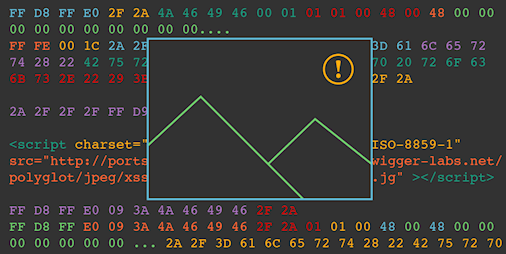
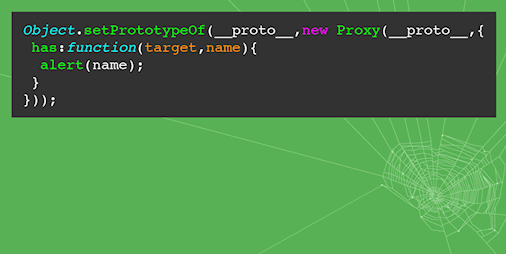 JSON hijacking for the modern web2016
 Adapting AngularJS payloads to exploit real world applications2016
Executing non-alphanumeric JavaScript without parenthesisExecuting non-alphanumeric JavaScript without parenthesis2016
Edge XSS filter bypassEdge XSS filter bypass2016

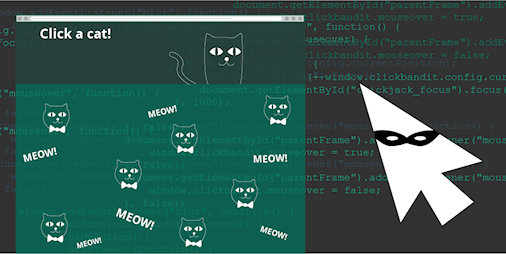 Burp Clickbandit: A JavaScript based clickjacking PoC generator2015
Abusing Chrome's XSS auditor to steal tokensAbusing Chrome's XSS auditor to steal tokens2015
Another XSS auditor bypassAnother XSS auditor bypass2015
Bypassing the IE XSS filterBypassing the IE XSS filter2015

Decoding complex non-alphanumeric JavaScriptDecoding complex non-alphanumeric JavaScript2013
 DOM Clobbering2013
Bypassing XSS AuditorBypassing XSS Auditor2013
Non-Alpha PHP in 6-7 charsetNon-Alpha PHP in 6-7 charset2012


Data enumeration tutorial in ShazzerData enumeration tutorial in Shazzer2012
Breaking feedsBreaking feeds2012
Introducing Shazzer: A shared online fuzzerIntroducing Shazzer: A shared online fuzzer2012
 HTML scriptless attacks2011
Decoding non-alphanumeric code with HackvertorDecoding non-alphanumeric code with Hackvertor2011
JSReg down but not outJSReg down but not out2011
The JSON specification is now wrongThe JSON specification is now wrong2011
JSON HijackingJSON Hijacking2011
Opera parser monster eats unicodeOpera parser monster eats unicode2011
Blog fight round twoBlog fight round two2011
DOM sandboxing talkDOM sandboxing talk2011
Regex HTML Sanitisation can workRegex HTML Sanitisation can work2011
Jump off a bridge specificationJump off a bridge specification2011
Breaking HTML parsers for funBreaking HTML parsers for fun2010
Preventing social network wormsPreventing social network worms2010
String replace JavaScript bad designString replace JavaScript bad design2010
Sandboxed DOM APISandboxed DOM API2010
Can all mozilla people look away now pleaseCan all mozilla people look away now please2010
Astalanumerator 0.7Astalanumerator 0.72010
Hackvertor Ajax applicationsHackvertor Ajax applications2010
My RegExp is still leakingMy RegExp is still leaking2010
Facebook sandbox escapeFacebook sandbox escape2010
HTML5 new XSS vectorsHTML5 new XSS vectors2009
Twitter misidentifying contextTwitter misidentifying context2009
Ping pong obfuscationPing pong obfuscation2009
Bypassing CSP for fun, no profitBypassing CSP for fun, no profit2009
Creating HTML listeners with JSReg and HackvertorCreating HTML listeners with JSReg and Hackvertor2009
Hidden Firefox properties revisitedHidden Firefox properties revisited2009
CSP - Mozilla content security policyCSP - Mozilla content security policy2009
Asta la vista babyAsta la vista baby2009
Minor Safari cross domain bugMinor Safari cross domain bug2009
New PHPIDS vectorNew PHPIDS vector2009
Overwriting native functions in javascriptOverwriting native functions in javascript2009
Cross browser javascript sandboxCross browser javascript sandbox2009
HTML5 XSSHTML5 XSS2009
Inline UTF-7 E4X javascript hijackingInline UTF-7 E4X javascript hijacking2009
Hackvertor now translatesHackvertor now translates2009
Javascript unique strings with RegExpsJavascript unique strings with RegExps2009
Sliceya CAPTCHASliceya CAPTCHA2009
Calling the Array constructor in IECalling the Array constructor in IE2009
Crazy javascriptCrazy javascript2009
I know what your friends did last summerI know what your friends did last summer2009
Javascript protocol fuzzer and OperaJavascript protocol fuzzer and Opera2008
E4X for hackersE4X for hackers2008
CSS overlays and frame breakersCSS overlays and frame breakers2008
Hackvertor discussionHackvertor discussion2008
Firefox find functionFirefox find function2008
Javascript cloning objectsJavascript cloning objects2008
I'm having a baby girlI'm having a baby girl2008
Javascript for hackers part 2Javascript for hackers part 22007
Hackvertor fuzzing toolHackvertor fuzzing tool2007
Tracking users across browsersTracking users across browsers2007
htmlentities is badly designedhtmlentities is badly designed2007
WebFu crouching tab hidden dosWebFu crouching tab hidden dos2007
WebFu - Using the Hackvertor hanzo swordWebFu - Using the Hackvertor hanzo sword2007
Hackvertor explainedHackvertor explained2007
WebFu Dojo - XSS self defenceWebFu Dojo - XSS self defence2007
Hackvertor video demoHackvertor video demo2007
Google Adsense flaw revealedGoogle Adsense flaw revealed2007
Injecting the script tag into XMLInjecting the script tag into XML2007
Safari vulnerability look before you leapSafari vulnerability look before you leap2007
XSS attacks a practical exampleXSS attacks a practical example2007
iPhone Safari zero dayiPhone Safari zero day2007
OpenID security CSS overlaysOpenID security CSS overlays2007
Noscript has iframe protectionNoscript has iframe protection2007
New Spambam pluginNew Spambam plugin2007
Window name trickWindow name trick2007
How I found the Safari exploitHow I found the Safari exploit2007
Secure programming flowchartSecure programming flowchart2007
CSK CSS Scripting KitCSK CSS Scripting Kit2007
More browser bugs equals greater riskMore browser bugs equals greater risk2007
CSS LAN scannerCSS LAN scanner2007
Protection against CSRF part 2Protection against CSRF part 22007
Keeping safe onlineKeeping safe online2007
Open source as a reward for the JS FuzzerOpen source as a reward for the JS Fuzzer2007
IE7 javascript echoIE7 javascript echo2007
Wordress security pluginWordress security plugin2007
Javascript port scannerJavascript port scanner2007
Online Javascript LAN scannerOnline Javascript LAN scanner2007
Reflected SQL injectionReflected SQL injection2007
Return of the Heyes CaptchaReturn of the Heyes Captcha2007
Tracking without cookiesTracking without cookies2007
Tracking without cookies part 2Tracking without cookies part 22007
Safari leaks Google queriesSafari leaks Google queries2007
Authorisation techniquesAuthorisation techniques2007
Using TinyMCE and ScriptaculousUsing TinyMCE and Scriptaculous2007
What is OpenID and why hasn't it been setup correctly?What is OpenID and why hasn't it been setup correctly?2007
Adobe launches my feedzAdobe launches my feedz2007
Mysql performance tuningMysql performance tuning2007
Storing passwords securelyStoring passwords securely2007